Contact us
Need a problem solved?
Our dedicated experts, located around the world, are here to help.
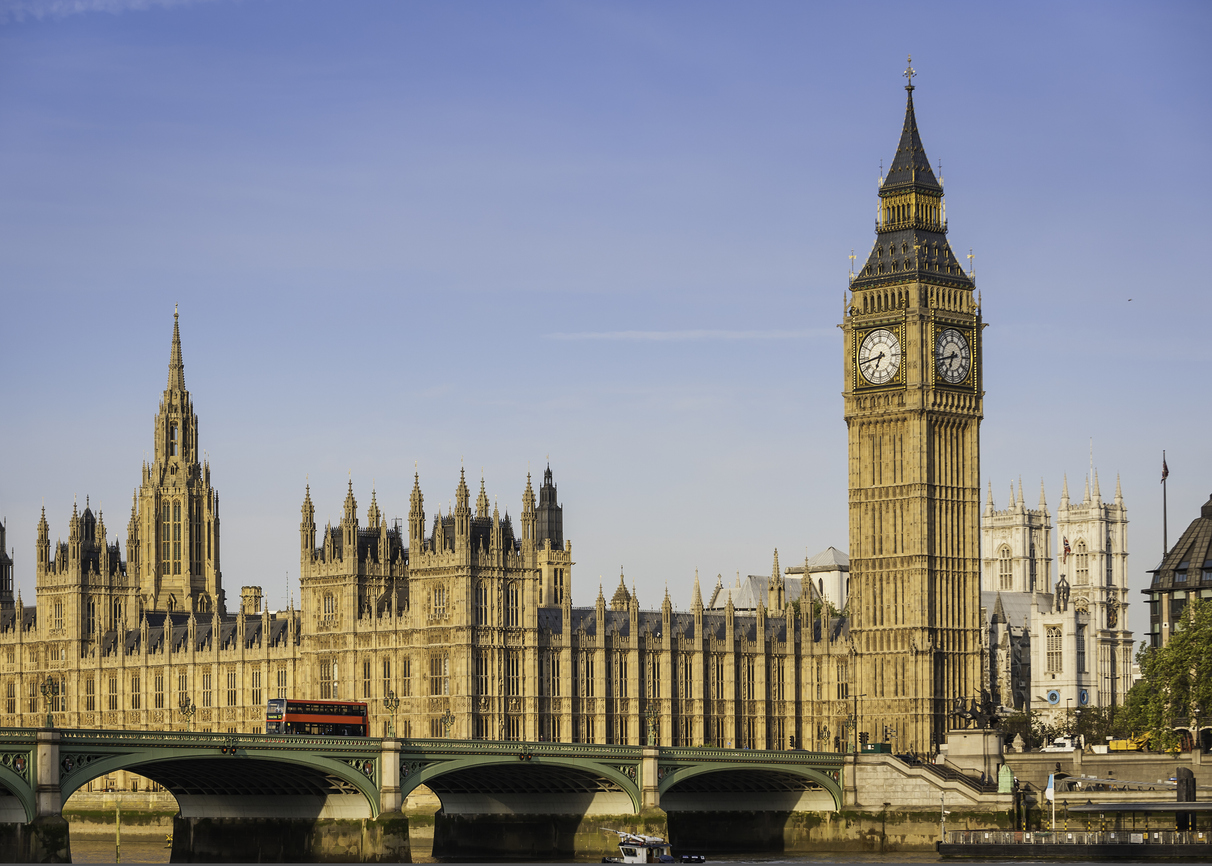
This year’s King’s Speech was delivered against one of the most politically surreal backdrops in recent memory. In the hours before the State Opening of Parliament, Westminster was consumed less by legislation and more by whether Keir Starmer could politically survive long enough to deliver it.
The Prime Minister had an impossible task. Everyone wanted boldness. That is not really his political method. But even if he had produced something bolder, would it have been enough for critics already more interested in the timing of a leadership challenge than the content of the programme?
For businesses operating in frontier technology, that is exactly why this Speech matters. Not because it was radical. Precisely because it was not.
The opportunities are genuine. But so is the political risk. Delivery depends not only on legislation, but on whether this Government retains the authority, bandwidth, and internal discipline to execute any of it.
Beneath the political noise is a clear direction of travel: a Government increasingly defining growth through security, resilience, and state direction. Ministers want to use public investment to shape markets, crowd in private capital, and deploy “the power of an active State” in partnership with business.
That matters because it shows where the centre of gravity inside Government is moving, whoever leads it. If you are in digital identity, cyber, AI-enabled services, infrastructure, or regulated innovation, this is not just Westminster process. It is the operating environment taking shape around you.
There are serious measures buried beneath the chaos. The Digital Access to Services Bill could become one of the most consequential pieces of digital infrastructure legislation in years, creating the framework for a national Digital ID ecosystem through the GOV.UK wallet and app, with implications for identity verification, fraud, compliance, and digital public services.
The Cyber Security and Resilience Bill is equally important. Data centres, managed service providers, and critical digital suppliers are being pulled deeper into the UK’s national security architecture. Cyber resilience is no longer simply operational risk management. It is becoming a licence to operate.
The European Partnership Bill may become the biggest political fault line. It creates the mechanism for UK-EU alignment on food and drink, electricity and emissions trading, while leaving space for future alignment where ministers judge it in the national interest. The upside is reduced friction. The trade-off is regulatory autonomy. That argument will not stay technical for long.
Meanwhile, the Regulating for Growth Bill is perhaps the clearest acknowledgment yet that the UK’s regulatory culture has become part of its growth problem. The Government wants to be faster without looking reckless. Pro-growth without looking captured. Innovative without frightening regulators.
This exposes the Speech’s biggest weakness. For a Government that needs to demonstrate urgency, much of this still feels like maintenance rather than mission. There are policies to accelerate planning, reform rail, modernise the NHS, and speed up infrastructure approvals. Necessary? Absolutely. Inspiring? Hardly.
What was missing was a defining national ambition. A sense that Britain is trying to become something.
Where was the Future Industries Bill designed to create the next generation of British unicorns? Where was the radical AI framework aimed at making the UK the global testbed for frontier technologies? Where was the sovereign compute strategy, the quantum moonshot, the defence-tech acceleration plan or a flagship national mission capable of cutting through public cynicism?
Governments do not just pass legislation. The successful ones create belief.
The United States sells technological dominance. The Gulf sells transformation. China sells scale and inevitability. Britain increasingly sells process.
While the Speech offered businesses plenty to monitor, it offered the country remarkably little ambition.




Our dedicated experts, located around the world, are here to help.