Contact us
Need support in the EU?
Access Partnership gets you from concept to diffusion, faster.
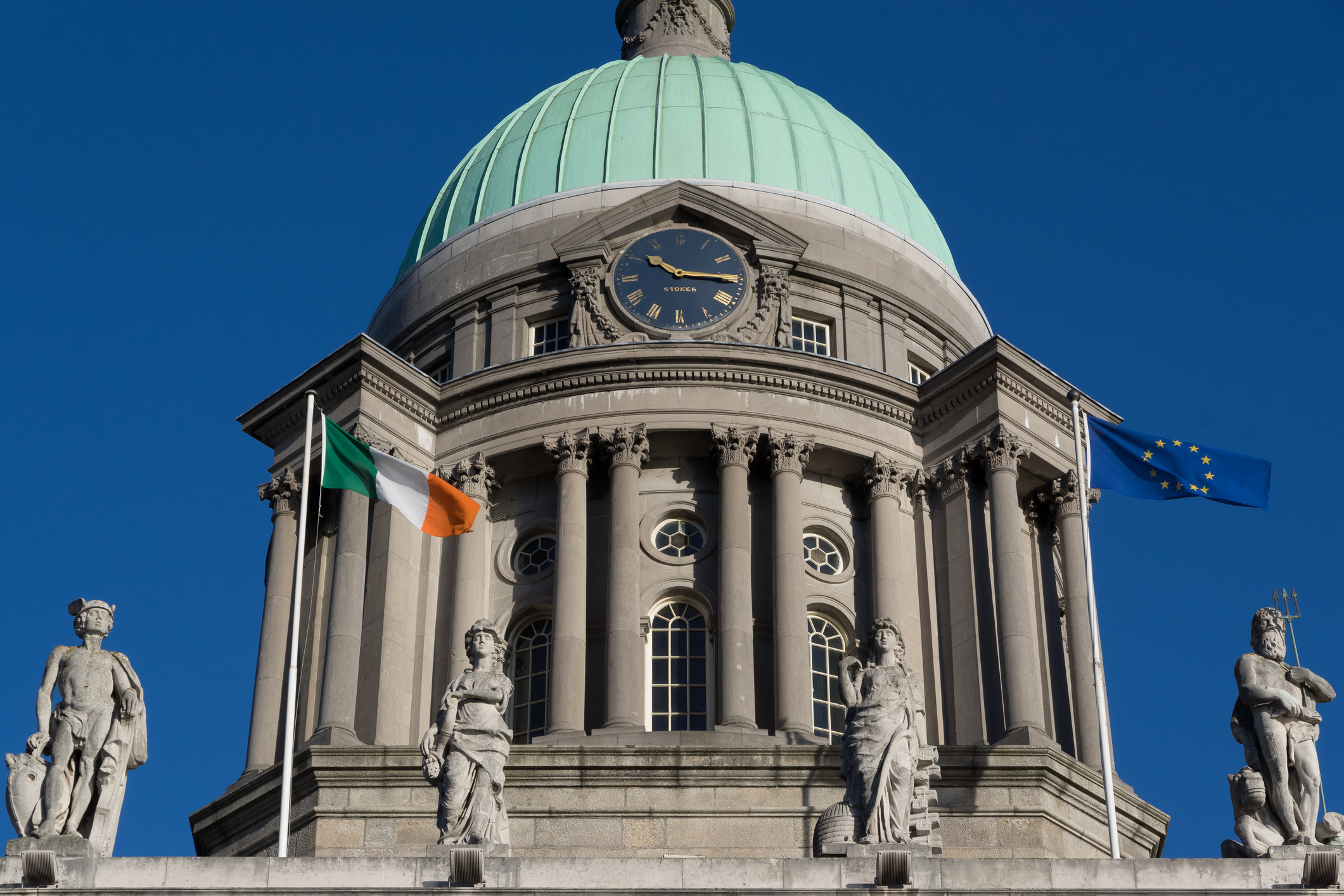
For a country that is notorious for its weather, surely the omens were on Ireland’s side when the sun shone down on Dublin as leaders gathered in the capital city to kick-off Ireland’s 8th Presidency of the Council of the EU. You cannot judge a Presidency after just one month – even though to some extent I am going to try – but as Brussels’ EU quarter emptied out after the Belgium National Day celebrations on 21st July, Ireland is already seeing some fruits to its extensive preparation, providing a full menu of meetings, conferences, aims, and ambitions for the second half of the year.
There’s no denying Ireland takes on this role at a time of geopolitical tension and uncertainty. But there’s one thing about the Irish – everyone likes them. From Taoiseach Micheál Martin deciding to continue the tradition of celebrating St. Patrick’s Day with US President Donald Trump back in March, through to inviting Ukrainian President Volodymyr Zelenskyy to the opening ceremony at Dublin Castle, Ireland, and the Irish people, have a unifying effect. Their Presidency’s motto – Ní neart go cur le chéile, “strength with unity” – is very much the front foot they are starting out on.
Some have questioned their ability to remain an “honest broker” on Big Tech and tax, but so far it has offered little more than a wink that says, “we’re watching you”. As a fiercely pro-EU nation that has seen the political and economic benefits of EU membership over the years the main task ahead for Ireland is to achieve consensus on the EU’s next long-term budget.
The Multi-Annual Financial Framework (MFF) must be wrapped up before the Presidency concludes on 31st December. Beyond this, Presidency negotiations will get sucked into national politics, with the French Presidential election in particular looming over the EU’s most fraught negotiation. Like most things in life, it’s (almost) always about the money, and both centre-left and centre-right politicians in France will not want to cede unnecessary ground to the far-right – whether Le Pen is wearing a police tag or not.
The Council reached partial agreement in June 2026 on spending headings for defence, digital infrastructure, and climate resilience, but negotiations on cohesion allocations and the overall budget ceiling remain open and require Ireland to firmly steer discussions in the right direction. A month is too soon to judge, and it is another month gone with no hard MFF progress made. There is a mandate, which hopefully provides a platform for progress, but the clock is certainly ticking and a quick return to the negotiation table will be required as the rentréebegins.
This shouldn’t be too hard (getting around the table, that is) as Ireland has planned to host 22 informal Council of Ministers meetings and around 250 conferences and stakeholder engagements. These will cover something for everyone but will be centred around the three priorities of competitiveness, values, and security.
These three values – alongside the many interlocking legislative and political agendas – are where the rest of the Presidency will be judged, but they also give businesses operating in the EU a clear indication of where Ireland wants to steer its time in the hot seat.
For now, it’s time for the summer break in the full knowledge that the legislative agenda will be dense from September to December. The Irish will lead the EU’s political process in Council and from September we will see a packed calendar of Council meetings across Dublin, Cork, Wicklow, Mayo, Limerick and Kerry, an International AI Summit in Dublin in October, and a European Political Community Summit of nearly 50 heads of state and government in November – the largest security operation in the history of the Irish State.
Access Partnership’s global public affairs team will be tracking the Irish Presidency’s agenda from Brussels and other capitals around the world, helping clients stay ahead of the frontier, where technology and policy are being decided together. Our final assessment will come at the close of the term. Until then: here’s to the luck of the Irish, leading Europe.


Access Partnership gets you from concept to diffusion, faster.